Nourish / An informed next step
Healthy
Supplementation.
Food first. A clear purpose for every addition. Explore 22 supplement and fibre topics through the evidence, the uncertainties and the questions worth asking.
Give every supplement a job.
01 / Purpose
Name the need
Identify the question before the product: inadequate intake, a diagnosed deficiency or a specific outcome you can review.
02 / Evidence
Match the research
Ask whether human studies tested the same ingredient, form, population and outcome. An interesting mechanism is a starting point for research.
03 / Review
Check the whole list
Bring your medicines and supplements to a pharmacist or clinician. Include quantities, frequency and combination products.
Group 01
Vitamins & minerals
Vitamins and minerals are micronutrients: the body needs them in relatively small amounts for normal function. They belong in the same nutritional picture, but they are different types of substances. A varied diet is the starting point; supplements can help meet a specific need.
Vitamins: the 13 essential vitamins
Vitamins support processes such as metabolism, tissue maintenance and normal cell function. They fall into two groups:
- Fat-soluble: A, D, E and K.
- Water-soluble: C and the eight B vitamins: B1 (thiamine), B2 (riboflavin), B3 (niacin), B5 (pantothenic acid), B6, B7 (biotin), B9 (folate) and B12.
Solubility helps explain absorption and storage; it is not a safety rating. Taking more than needed does not automatically improve health.
Minerals: major minerals and trace elements
Minerals have roles in bone structure, muscle and nerve function, and enzyme activity. The distinction below concerns the amount needed, not their importance.
- Major minerals: calcium, phosphorus, magnesium, sodium, potassium, chloride and sulfur.
- Examples of trace elements: iron, zinc, copper, iodine, selenium and manganese.
This is an orientation list, not a shopping list. The detailed profiles below currently cover vitamin D, magnesium, zinc and copper, and selenium yeast.
Further reading: MedlinePlus: Vitamins · MedlinePlus: Minerals
01 / Vitamins & minerals
Vitamin D
Established nutrient; needs vary
Vitamin D connects sunlight, nutrition and the body’s control of calcium and phosphate. Its journey from the skin or diet to its active form helps explain why both deficiency and excess matter for health.
A fat-soluble vitamin the body can also make
Vitamin D belongs to the fat-soluble group alongside vitamins A, E and K. Unlike the simple definition of a vitamin as something the body cannot make, vitamin D can be produced in the skin following UVB exposure. Food and supplements provide additional routes.
From skin and food to the active hormone
- Skin and dietary sources: UVB initiates the conversion of 7-dehydrocholesterol into vitamin D3 through intermediate steps. D3 is also called cholecalciferol; D2 is ergocalciferol.
- Liver: hydroxylation produces 25-hydroxyvitamin D, abbreviated 25(OH)D. The D3-derived form is also called calcifediol or calcidiol.
- Primarily the kidneys: a further hydroxylation produces active 1,25-dihydroxyvitamin D. The active D3-derived hormone is calcitriol.
These reactions add hydroxyl groups. The pathway explains why vitamin D from a capsule is not the same substance as the active hormone used in certain prescription treatments.
Calcium, phosphate and bone health
Active vitamin D helps the intestine absorb calcium and phosphate and supports the conditions needed for bone mineralisation.
Parathyroid hormone (PTH) helps regulate calcium balance: when blood calcium falls, it stimulates activation of vitamin D in the kidneys. Bone is continuously remodelled, with mineral removal and deposition forming part of a regulated system.
What a vitamin D blood test measures
The usual status marker is 25(OH)D, rather than active calcitriol. Testing is not routinely needed for every healthy adult; its usefulness depends on the clinical situation.
Food, sunlight and factors affecting status
Fish and UV-exposed mushrooms provide dietary vitamin D: animal foods commonly supply D3, while mushrooms supply D2. Fortified foods can also contribute; check their labels.
Sun exposure, skin pigmentation, fat absorption, season, latitude and age affect vitamin D status. No single sun-exposure duration works for everyone. Intentional unprotected UV exposure is not necessary as a supplement strategy.
When intake is too low
Vitamin D deficiency can cause rickets in children and osteomalacia in adults. Both involve impaired bone mineralisation; osteomalacia is distinct from osteoporosis. Low vitamin D prevalence varies by population and the threshold used.
Intake and supplement labels
U.S. reference amounts are 400 IU daily during infancy, 600 IU from ages 1–70 and 800 IU after age 70. These describe total intake, not a universal supplement prescription. Local guidance and treatment for confirmed deficiency may differ.
1 microgram equals 40 IU. Check whether the stated amount is per drop, capsule or serving, and whether directions are daily or weekly. Include multivitamins and combination products.
Why more is not always better
Excessive supplemental vitamin D can cause high blood calcium and kidney damage. Symptoms can include nausea, weakness, thirst and confusion. The adult upper intake level is 4,000 IU (100 micrograms) daily from all sources; it is not a target. Higher treatment doses require medical supervision.
For related nutrient context, see the magnesium section, including its discussion of vitamin D metabolism.
References: NIH ODS: Vitamin D.
02 / Vitamins & minerals
Magnesium
Established nutrient; benefits depend on need
Magnesium participates in hundreds of reactions, from energy production and protein synthesis to muscle and nervous-system function. Getting enough starts with the foods we eat.
Why magnesium matters
Magnesium contributes to movement, blood-sugar regulation, normal heart function and bone health. Older adults and people with low magnesium status may have different needs from those already getting enough.
Eating below estimated magnesium requirements and having a clinically confirmed deficiency are different things. Dietary surveys help identify population patterns, while individual symptoms require their own assessment.
Functions and potential benefits
- Exercise and recovery: Magnesium supports muscle energy use. Supplemental performance benefits are more plausible when intake is inadequate; findings in people with adequate status are mixed.
- Blood sugar and heart health: Insulin sensitivity, blood pressure and lipid markers are areas of research. Adequate magnesium is one part of metabolic and cardiovascular health.
- Mood and sleep: Research explores anxiety, depressive symptoms and sleep quality, but a supplement cannot be expected to resolve these problems for everyone.
- Inflammatory markers: Studies have investigated C-reactive protein and other markers in the relationship between magnesium and inflammation.
- Migraine: Supplementation can be an option to discuss with a healthcare professional for some people with migraine.
- Premenstrual symptoms: cramps, bloating, fatigue and related symptoms are discussed as possible areas of benefit, particularly when intake is inadequate.
- Bones: A substantial share of the body’s magnesium is stored in bone, and adequate intake supports bone health.
Foods that provide magnesium
Food sources include leafy greens, beans, chickpeas, almonds, cashews, pumpkin seeds and flax seeds. Bananas, avocado, tofu and fish can also contribute.
Make the idea practical: add seeds to breakfast, include beans in a main meal, or use leafy greens alongside your usual protein and starch. The aim is a regular variety of foods, rather than relying on one “perfect” source.
Daily intake and supplement labels
As a reference, U.S. recommended total daily intakes for nonpregnant adults are 310–320 mg for women and 400–420 mg for men, depending on age. These totals include food and drinks; they are not instructions to take that amount in capsules.
When comparing products, check elemental magnesium per serving, not the weight of the entire magnesium compound. Include magnesium in any other supplements, antacids or laxatives you use.
Different forms of magnesium
Citrate, aspartate, lactate and chloride are relatively well-absorbed forms. Some preparations are used as laxatives. Choose a form according to purpose, elemental magnesium content, tolerance and relevant evidence.
Glycinate, bisglycinate and L-threonate
Magnesium glycinate and bisglycinate refer to magnesium bound to glycine. They are popular in evening routines, although popularity and individual experience do not establish superiority for sleep.
Magnesium L-threonate is being investigated for sleep and cognition. Much of the brain-uptake research comes from animals, with a smaller human evidence base. A randomised human sleep study published in 2024 provides a research reference for this discussion; it does not establish that L-threonate is superior to glycinate.
Sleep routines and whole-body needs
There is no universal rule that magnesium must be taken in the evening or around exercise. Consider total elemental magnesium, tolerance and the reason for taking it.
Evidence does not establish that choosing a brain-focused form leaves other tissues short of magnesium. Combining several products can simply increase total intake and adverse effects.
Magnesium and vitamin D
Another theme is magnesium’s involvement in vitamin D metabolism and activation. This connects the magnesium profile with our vitamin D section: nutrients function together within the body. A randomised trial examining magnesium and vitamin D metabolism investigated this interaction. The relationship does not mean everyone taking vitamin D automatically needs an additional magnesium supplement.
What to check first
Supplemental magnesium can cause diarrhoea, nausea and abdominal cramps. Kidney impairment increases the risk of magnesium accumulation. Some antibiotics and osteoporosis medicines can interact with magnesium; ask a pharmacist about spacing doses. Persistent sleep, mood or fatigue symptoms deserve assessment beyond a supplement choice.
References: NIH ODS: Magnesium.
03 / Vitamins & minerals
Zinc & copper
Established nutrients; avoid chronic excess
Zinc and copper are essential trace minerals with complementary roles in immunity, the nervous system and tissue maintenance. Their interaction is especially relevant when considering long-term zinc supplementation.
What zinc contributes
Zinc supports immune function, wound healing, protein and DNA synthesis, cell division and taste. It is also important for normal growth and development. Meeting nutritional needs is different from expecting extra zinc to improve functions that are already adequately supported.
What copper contributes
Copper participates in enzymes involved in energy production, iron metabolism, connective tissue formation and neurotransmitter synthesis. It also contributes to normal immune and nervous-system function. Copper is a necessary nutrient, not simply something to eliminate when choosing a zinc supplement.
Mineral balance in context
- Nervous-system function and stress: Both minerals participate in normal nervous-system function. Mood or stress symptoms alone do not identify an imbalance.
- Reproductive health: Adequate nutrition supports reproductive health, but mineral supplements should not be used to diagnose infertility or independently adjust hormone levels.
- Immune function: Both minerals support normal immune function. A simple copper–zinc ratio cannot determine which infection treatment is appropriate.
Understanding the relationship
Prolonged high zinc intake can inhibit copper absorption and cause copper deficiency. A combined capsule does not automatically solve this: the actual amounts, other supplements and duration of use all matter.
There is no universal zinc-to-copper supplement ratio derived from hair testing. Ratios in hair, blood and capsule ingredients are different measurements and are not interchangeable.
Interpreting symptoms and test results
Mineral physiology is best assessed through dietary intake, relevant clinical findings and appropriately interpreted tests.
Conditions such as infertility, postpartum depression or persistent fatigue require assessment beyond a mineral ratio. A hair-mineral result alone cannot establish their cause or treatment.
Everyday food sources
Zinc: meat, shellfish, dairy, beans, nuts and whole grains. Phytates in plant foods can reduce absorption.
Copper: shellfish, nuts, seeds, whole grains, chocolate and organ meats. A varied diet can provide both minerals without requiring a combined capsule.
Read the label
Check the separate elemental amounts, serving size and contributions from other products. Zinc can cause nausea and interact with some antibiotics. Excess copper can cause gastrointestinal symptoms and liver damage; people with Wilson disease require specialist guidance.
References: NIH ODS: Zinc and NIH ODS: Copper.
04 / Vitamins & minerals
Selenium yeast
Established nutrient; routine extra benefit uncertain
Selenium is a trace mineral needed in small amounts for antioxidant protection, thyroid hormone metabolism and other essential functions. Food and, when appropriate, selenium-enriched yeast can contribute to intake.
Selenoproteins and antioxidant protection
Selenoproteins include glutathione peroxidases, which help protect cells against oxidative damage. Selenium also contributes to thyroid hormone metabolism and reproduction. These roles do not establish that extra selenium prevents cancer.
Selenium and the thyroid
Selenium-dependent enzymes help convert thyroid hormone T4 into the more active T3. Supplement decisions in thyroid disease should reflect individual need and clinical advice.
Thyroid antibodies and other clinical topics
Some studies in autoimmune thyroid disease report reductions in thyroid peroxidase (TPO) antibodies. A change in this laboratory marker does not by itself demonstrate better symptoms or remove the need for treatment.
An antioxidant mechanism alone does not establish prevention or treatment of diabetes, cardiovascular disease, Alzheimer’s disease or cancer. During chemotherapy, supplement decisions belong with the oncology team.
Food sources and regional differences
Food sources include Brazil nuts, seafood, eggs, meat and whole grains. Soil selenium influences plant-food content. Intake varies geographically; deficiency is not universal.
Brazil nuts contain substantial but highly variable amounts of selenium. Treat them as food rather than a precisely measured supplement.
Soaking Brazil nuts does not make their selenium content predictable. It is not a substitute for considering total intake.
Selenium yeast and other forms
Selenium-enriched yeast is grown in a selenium-containing medium and supplies selenium mainly as selenomethionine. It is a nutrient preparation, not a live probiotic. Selenomethionine, sodium selenite and sodium selenate are also supplement forms; inorganic forms should not simply be dismissed as poorly absorbed.
When comparing yeast products, look for an explicit selenium amount: ordinary nutritional yeast should not be assumed to match selenium-enriched yeast.
Intake: micrograms matter
Products commonly contain amounts that may exceed daily requirements. Account for food, multivitamins and other selenium-containing products before choosing a supplement.
For European readers: EFSA sets the adult tolerable upper intake level at 255 micrograms per day, including pregnancy and breastfeeding. This covers total intake from all sources and is a safety ceiling, not a target. The U.S. adult upper limit is 400 micrograms; regional limits differ. Regular high-dose supplements or Brazil nuts can make exceeding the European limit more likely.
Read the label in micrograms (µg or mcg) of selenium, not milligrams of yeast. Chronic excess can cause hair loss and brittle nails.
Avoid unintentionally combining a separate selenium supplement with multivitamins and thyroid-support blends. Hair changes, fatigue or digestive symptoms alone cannot show whether intake is too low or too high.
Metals and nutrient interactions
Selenium interacts with mercury and other metals, and functions within antioxidant systems involving vitamin E and glutathione-related enzymes. These biochemical relationships do not establish a home heavy-metal detox protocol. Suspected exposure requires medical assessment.
For related topics, explore zinc and copper and NAC. These links explain the nutrients discussed; they are not instructions to combine supplements.
References: NIH ODS: Selenium; EFSA: tolerable upper intake level for selenium (2023).
Group 02
Fats & other nutrients
Nutrition extends beyond vitamins and minerals. This section brings together omega-3 fats, choline and inositol, creatine, taurine, and the carotenoids lutein and zeaxanthin. Creatine participates in rapid energy recycling, while taurine contributes to cell-volume regulation and other physiological functions. It is a practical navigation group rather than a single chemical family.
Omega-3 products may contain different amounts of EPA and DHA, so the total weight of “fish oil” is not the same as the amount of these fatty acids. For the other ingredients, too, the specific compound and formulation matter. Use each profile to connect a product label with the question you are trying to answer.
Further reading: NIH ODS: Omega-3 Fatty Acids. Ingredient-specific sources are linked in the profiles below.
05 / Fats & other nutrients
Omega-3: EPA & DHA
Outcome- and formulation-specific evidence
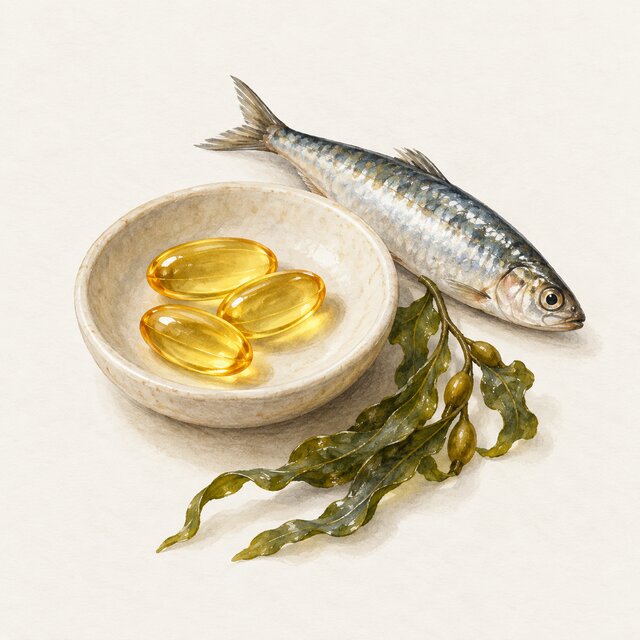
Omega-3 fats belong in the everyday nutritional picture of the brain, eyes, heart and immune system. EPA (eicosapentaenoic acid) and DHA (docosahexaenoic acid) are the long-chain forms found in oily fish and algae-derived products. Their biological roles help explain the interest in them, while the benefits of supplementation depend on the person, preparation and outcome.
EPA, DHA and plant-based ALA
DHA is an important component of brain and retinal cell membranes. EPA and DHA also contribute to lipid signalling. Walnuts, flax seeds and chia supply the shorter-chain omega-3 ALA; conversion to EPA and especially DHA is limited, so ALA content is not equivalent to the same quantity of EPA and DHA.
Brain function, mood and attention
Higher omega-3 status has been associated with favourable cognitive outcomes in observational research. However, large trials have not consistently shown that supplements prevent cognitive decline. A role in brain biology should not be interpreted as a guarantee against dementia.
Mood, attention and behaviour are active research areas, with results depending on formulation and population. Poor concentration or irritability alone cannot diagnose an omega-3 deficiency. Persistent symptoms deserve assessment alongside sleep, stress, diet and other possible causes.
Heart health and triglycerides
Prescription omega-3 products can lower elevated triglycerides. In selected high-risk patients, prescription EPA has reduced cardiovascular events, but ordinary fish-oil capsules are not interchangeable with that treatment. The large VITAL trial did not significantly reduce its primary combined cardiovascular endpoint with a daily omega-3 supplement, although some secondary findings were favourable.
Inflammation and tissue recovery
EPA and DHA are precursors of specialised pro-resolving mediators, including resolvins, protectins and maresins. These molecules participate in the active resolution of inflammation: clearing debris and helping tissues return towards normal function. This is a biological research rationale, not proof that any capsule will resolve persistent inflammation or joint pain.
Muscle maintenance, exercise recovery and inflammatory joint symptoms are also studied. These are separate outcomes with different evidence; omega-3 supplements should complement adequate protein, training and appropriate medical care rather than substitute for them.
Eyes, skin, sleep and the gut
DHA’s role in the retina does not mean fish oil reliably treats dry eyes: a large clinical trial found no advantage over placebo. Skin symptoms, sleep disruption and slow recovery are likewise nonspecific and cannot identify low omega-3 status on their own.
Small human trials have reported changes in gut microorganisms after EPA/DHA supplementation. This supports further research into microbiome interactions, but does not establish omega-3 as a treatment for bloating or a replacement for dietary fibre. Appetite and sleep effects remain areas of investigation.
Understanding the omega-3 index
The omega-3 index measures EPA plus DHA as a percentage of fatty acids in red blood cells. It reflects longer-term status rather than just the most recent meal. Researchers have proposed lower-risk ranges around 8% or above and higher-risk ranges below 4%, but these are proposed risk markers, not a universally accepted deficiency diagnosis or a guarantee of protection.
If testing would help a particular decision, discuss interpretation and follow-up with a clinician. An individual response varies; there is no universal capsule dose that guarantees a chosen index, and routine testing is not necessary for everyone.
Food sources and practical intake
Salmon, sardines, herring, anchovies and suitable mackerel species offer practical sources of EPA and DHA. Canned fish can be convenient. Fish species differ in mercury content, so follow local guidance, particularly during pregnancy. Fish roe can contribute, but is not required.
EFSA sets an adequate intake of 250 mg EPA plus DHA daily for adults, counting food and supplements together. This is a nutritional reference, not a prescription for treating high triglycerides. Pregnancy and breastfeeding have additional DHA considerations that should follow relevant guidance.
For people avoiding fish, algae-derived oil can provide DHA and, in some formulations, EPA. Check both amounts. Spirulina and chlorella powders should not be assumed equivalent to an algae-derived EPA/DHA oil.
How to compare supplements
- Count EPA plus DHA: “1,000 mg fish oil” describes the oil weight, not necessarily 1,000 mg of these fatty acids. Add the two declared amounts for the actual serving.
- Check the preparation: triglyceride, ethyl-ester and phospholipid products differ. A form alone does not prove superior clinical results or better delivery to the brain.
- Look for quality information: assess independent contaminant and oxidation testing, expiry, storage and allergens. Claims about added pro-resolving mediators need their own evidence.
- Consider the whole diet: EPA/DHA intake is more useful than chasing a single omega-6-to-omega-3 ratio. EFSA does not set a target ratio; omega-6 fats also have essential roles.
Safety and when to seek advice
Fishy aftertaste and digestive upset can occur. High-dose regimens have increased atrial-fibrillation risk in some cardiovascular trials. Discuss supplements with a clinician if you have an arrhythmia, take anticoagulants or are considering therapeutic doses. Prescription treatment for elevated triglycerides should not be recreated with a self-selected stack of capsules.
References: NIH ODS: Omega-3 Fatty Acids; NHLBI: cardiovascular benefits and risks; NEI: cognition trial findings; EFSA: dietary reference values for fats; Human pro-resolving mediator study; Omega-3 index and cohort risk estimates; Randomised intestinal microbiota trial.
06 / Fats & other nutrients
Choline & inositol
Different ingredients; different evidence
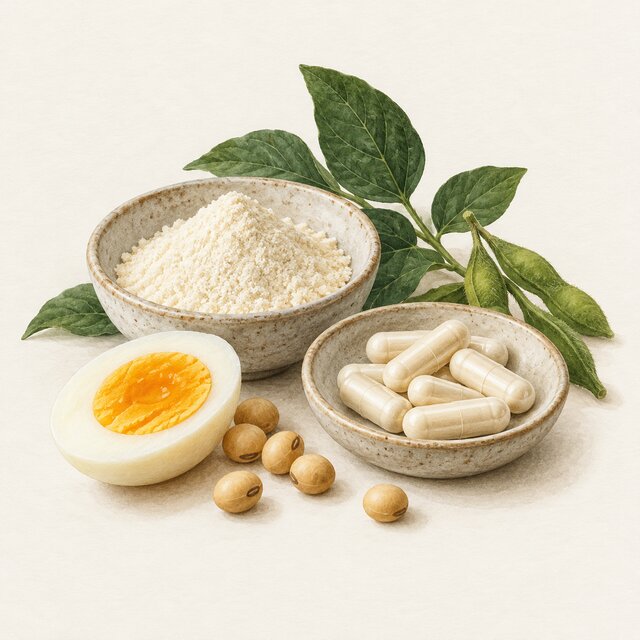
Choline and inositol are often paired in one capsule, but they are distinct ingredients. Understanding their individual roles helps you assess whether a combination suits your needs.
Choline: membranes, signalling and metabolism
Choline is an essential nutrient used to make cell-membrane components and acetylcholine, a neurotransmitter involved in memory and muscle control. It also participates in lipid transport and methyl-group metabolism. The body produces some choline, but dietary intake remains necessary.
Choline contributes to normal liver function, lipid metabolism and homocysteine metabolism. Those functions do not mean a capsule will treat liver disease or improve cognition in everyone.
Cognition and expectations
Feeling mentally sharper is a subjective outcome. Controlled studies are needed to distinguish a supplement effect from changes in sleep, diet or expectations, and combination products make attribution more difficult.
Compare products by ingredient identity, amount and relevant human research, rather than testimonials alone.
Inositol: consider the form and the purpose
Inositol has a separate evidence base. Its cellular signalling roles do not establish a general cognitive benefit from a combination capsule.
Inositol has been studied particularly in polycystic ovary syndrome (PCOS). The 2023 international guideline describes limited clinical benefits and uncertainty about specific forms and doses. Those findings do not establish a general cognitive benefit or a reason for everyone to use a choline–inositol combination.
Personalised nutrition and genetic reports
Genetic variation can affect choline requirements, but a consumer genetic recommendation is not, by itself, a diagnosis of poor absorption or deficiency. Food intake and clinical context still matter.
Food sources and everyday intake
Eggs, fish, meat, soybeans and other beans contribute choline. U.S. adult adequate-intake values are 550 mg daily for men and 425 mg for nonpregnant women, counting all sources. These are total-intake reference values, not suggested capsule doses.
Reading a combined-product label
Check the label to distinguish 250 mg of choline from 250 mg of choline bitartrate: the latter is the weight of a compound, not pure choline. Use the declared choline amount when comparing intake.
For inositol, check the named form, amount per capsule and serving size. A fixed combination means increasing one ingredient increases the other.
Check capsule material, allergens, vegan suitability and other ingredients on the current label. Fewer excipients do not by themselves demonstrate better health outcomes.
What to check first
Excess choline can cause fishy body odour, sweating and low blood pressure. Review overlapping products and the intended purpose before adding a combination supplement.
References: NIH ODS: Choline; Teede et al. (2023): international evidence-based PCOS guideline.
07 / Fats & other nutrients
Creatine
Strong exercise evidence; cognitive research emerging
Creatine is a naturally occurring compound made by the body and also supplied by foods such as meat and fish. It is not an anabolic steroid. Its best-established supplemental use is supporting repeated, short bursts of high-intensity exercise, especially alongside resistance training.
How the energy system works
Inside cells, creatine kinase helps convert creatine into phosphocreatine. This reserve can donate a phosphate group to regenerate ATP, the cell’s immediate energy currency. Most body creatine is stored in skeletal muscle, although the brain and other tissues use it too. Increasing the reserve can help sustain repeated hard efforts; it does not replace training, adequate food or recovery.
Strength, muscle and healthy ageing
Creatine can complement resistance exercise and help improve strength and training outcomes, including in older adults. Benefits vary. Effects on falls, bone density or frailty require their own evidence and should not simply be inferred from better gym performance.
Brain function and sleep-deprivation research
Cognitive applications are promising but less settled than the exercise evidence. A small controlled sleep-deprivation study found improvements on cognitive tests after a high experimental dose. That is not a routine dosing recommendation or a replacement for sleep. An eight-week Alzheimer’s pilot involved 20 participants and had no placebo group: it assessed feasibility and measured brain creatine and cognition. It does not demonstrate that creatine prevents or slows Alzheimer’s disease.
Form, daily use and loading
Creatine monohydrate is the best-studied form. Common adult research protocols use 3–5 g daily. A loading phase can increase muscle stores faster, but is optional: an early study found that 3 g daily raised stores gradually over about four weeks. Large loading doses are usually divided, rather than taken together, because digestive upset becomes more likely. These are descriptions of research practice, not a requirement for everyone to supplement indefinitely.
Consistency matters more than precise timing. Taking creatine with a meal may be convenient; deliberately consuming large amounts of sugar is unnecessary. Check the actual grams of creatine per serving.
Water weight and kidney tests
Some initial weight gain reflects water retention. Stomach discomfort or diarrhoea can occur, especially with larger doses. Available evidence supports tolerability at studied doses in healthy adults, but existing kidney disease calls for individual medical advice. Tell the clinician interpreting your blood tests that you take creatine: it can affect creatinine, a marker used to estimate kidney function. An abnormal result still needs proper assessment.
References: NIH ODS: exercise supplements · Hultman et al.: muscle creatine loading · Sleep-deprivation trial (2024) · Alzheimer’s feasibility pilot (2025).
08 / Fats & other nutrients
Taurine
Established physiology; supplement outcomes vary
Taurine is a sulphur-containing amino sulfonic acid, often described as an amino acid. Unlike the amino acids assembled into proteins, it mainly exists in a free form and performs other physiological jobs. The body can make it, and foods such as seafood and meat supply it. Its presence in an energy drink does not make taurine equivalent to caffeine.
Cell balance, heart and nervous system
Taurine functions as an osmolyte: a substance involved in the regulation of cell volume and the balance of water and dissolved substances. This helps explain interest in taurine in electrically active tissues such as the heart, muscles and brain. Ion channels and membrane pumps move electrolytes; taurine supports cellular regulation rather than directly pushing every mineral back into place.
Cell protection and inflammatory chemistry
Taurine participates in cell and mitochondrial function and inflammatory chemistry. It reacts with hypochlorous acid produced by immune cells to form less-reactive taurine chloramine. This does not make it a universal scavenger that neutralises every toxin.
Liver function, bile acids and “detox”
Taurine helps conjugate bile acids used in fat digestion. Research on cellular protection does not establish that a supplement removes pesticide exposure, prevents alcohol harm or treats poisoning.
What human cardiovascular research shows
A randomised placebo-controlled trial in 120 adults with prehypertension tested 1.6 g daily for 12 weeks and reported improvements in blood pressure and vascular function. This provides a specific human research example, not proof that everyone needs that dose or that taurine replaces blood-pressure medicine. People using such medicines should review supplementation with their clinician.
GABA, sleep and recovery
Taurine’s interactions with inhibitory signalling, including GABA-related pathways, motivate nervous-system research. It is not an established withdrawal treatment or a substitute for supervised management of alcohol or benzodiazepine withdrawal.
Poor sleep, cramps, difficulty recovering from exercise or an unusual response to magnesium cannot diagnose taurine deficiency. Palpitations in particular deserve assessment rather than being assumed to mean that a taurine supplement is needed.
Healthy ageing: an open research question
A 2023 study generated interest by reporting lifespan or healthspan effects in animal models. Subsequent work, including NIH research in 2025, challenged the idea that blood taurine consistently falls with age. Neither establishes that supplements extend human life. The biology is interesting; a proven human longevity treatment has not followed from it.
Choosing and using a supplement
There is no universally established daily supplement requirement for healthy adults. Check the taurine amount per serving and other ingredients, particularly in energy drinks and multi-ingredient products. Research doses are not interchangeable with an individual prescription. Pregnancy, breastfeeding, kidney disease and regular medicines warrant professional review before starting concentrated supplements.
References: Taurine physiology overview · Osmoregulation and taurine · Sun et al.: blood-pressure trial · Singh et al.: ageing research (2023) · NIH: taurine and ageing biomarkers (2025).
09 / Fats & other nutrients
Lutein & zeaxanthin
Strongest evidence: specific AMD settings
Lutein and zeaxanthin are related carotenoids with an established place in eye-nutrition research. Newer work also explores immune-cell activity and other biological pathways.
Eye health: where the clinical evidence is strongest
The complete AREDS2 formulation can help reduce progression risk in certain people with intermediate age-related macular degeneration (AMD), or late AMD in one eye. It contains 10 mg lutein and 2 mg zeaxanthin alongside other vitamins and minerals. A capsule containing only these two carotenoids is not the complete formula.
AREDS2 is not a general prescription for everyone using screens, and it does not prevent early AMD from progressing to intermediate AMD. An eye-care professional should determine whether it fits your diagnosis and stage.
The new zeaxanthin and T-cell study
A 2025 study in Cell Reports Medicine identified zeaxanthin in a nutrient-compound screen as an enhancer of CD8+ T-cell activity against tumour cells. These immune cells can release molecules that damage their targets.
In the study’s mouse models, oral zeaxanthin improved antitumour immunity, and combining it with immune-checkpoint treatment produced stronger effects. The researchers also examined lutein, which did not produce the same in-vivo effect in that experimental setting.
This is promising preclinical work. It does not establish that zeaxanthin supplements prevent cancer in people, treat an existing cancer or improve a patient’s response to immunotherapy. Any addition during cancer treatment should be discussed with the oncology team.
Human observational research
Some observational studies associate higher intake or blood concentrations with lower risk of certain cancers. Findings vary, and studies often measure lutein and zeaxanthin together, making individual contributions difficult to separate.
Observational associations cannot establish that a nutrient caused a difference in cancer risk. They are distinct from intervention trials testing eye-health formulations.
Goji berries as a food source
Dried goji berries, also called wolfberries, supply zeaxanthin. Food composition varies, and there is no established serving size for cancer prevention.
Goji berries can add dietary variety, but do not replace a prescribed AREDS2 formulation. Ask a pharmacist about interactions if you take anticoagulants or blood-pressure medication.
Choosing a supplement
Check the amounts of lutein and zeaxanthin separately and read the entire ingredient list. AREDS2 products can overlap with separate zinc, copper and vitamin supplements. Older beta-carotene-containing AREDS products are a concern for current or former smokers.
Choose according to the purpose being considered with your clinician. Eye-health trial results should not be repackaged as proof of a cancer-prevention benefit. Continue eye examinations and prescribed care.
References: National Eye Institute: AREDS2 supplements for AMD; Zhang et al. (2025): zeaxanthin, CD8+ T cells and immunotherapy in experimental models.
Group 03
Probiotics & fibres
The probiotic profiles cover the yeast S. boulardii, specific L. reuteri strains and spore-forming B. subtilis. Their characteristics and clinical evidence differ; they are not interchangeable.
These two groups are often discussed together in relation to digestion, but they are different. Probiotics are live microorganisms studied for particular health effects. Fibre is a dietary component; it does not contain live organisms by definition.
For probiotics, the strain and the intended use matter: a finding for one strain does not automatically apply to another. This guide covers a probiotic yeast, Saccharomyces boulardii, and a probiotic bacterium, Limosilactobacillus reuteri.
The fibre profiles cover PHGG and psyllium husk. Fibre also comes from everyday foods, including vegetables, fruit, pulses and whole grains. Increase fibre gradually and pay attention to fluid intake and the product’s preparation instructions.
Further reading: NCCIH: Probiotics · NIDDK: Fibre, food and fluids
10 / Probiotics & fibres
Saccharomyces boulardii
Indication-specific probiotic evidence
Saccharomyces boulardii is a probiotic yeast, unlike the bacteria in many probiotic products. It has been studied during antibiotic use and for interactions with the intestinal environment, immune signalling and gut barrier.
A temporary visitor to the gut
S. boulardii can survive passage through the stomach and generally remains a temporary presence in the digestive tract. It does not need to establish permanent residence to have an effect. Its numbers decline after supplementation stops. Many bacterial probiotics are also transient, so permanent colonisation is not a requirement for a useful probiotic.
Ordinary dietary fibre does not supply a defined dose of this yeast. When considering the clinical research, the relevant comparison is a preparation containing the studied organism and strain, rather than any fermented food or generic yeast product.
Antibiotic-associated diarrhoea
One of the most useful applications to consider is reducing the risk of diarrhoea associated with antibiotics. Evidence supports certain S. boulardii preparations in some populations, although benefit varies with the setting and the person’s baseline risk. A probiotic does not prevent every episode of diarrhoea.
Because S. boulardii is a yeast, antibacterial medicines generally do not target it in the way they target bacteria. Antifungal medicines are different and may inactivate it. Discuss the specific product, timing and duration with a pharmacist when medicines are involved.
Secretory IgA and mucosal defence
Secretory IgA is an antibody involved in defence at mucosal surfaces, including the intestinal lining. Research into S. boulardii explores effects on IgA and other immune responses, with much mechanistic evidence coming from experimental models. This helps explain interest in its activity beyond stool frequency. It does not establish that supplementation corrects food allergies or that food sensitivity automatically indicates low IgA.
Microbial balance and Candida
Competition with unwanted microbes is a potential mechanism, but “resetting the microbiome” is not a defined clinical outcome. S. boulardii is not an established stand-alone treatment for Candida infection, fungal overgrowth or SIBO.
Short-chain fatty acids
Acetate, propionate and butyrate are microbial metabolites involved in the intestinal environment. Researchers have explored whether S. boulardii changes microbial activity and these metabolites. Some findings are from animal studies, so an increase cannot be promised for every person or preparation. A yeast probiotic also does not replace the nutritional role of tolerable dietary fibre. See the PHGG and psyllium profiles for separate fibre discussions.
Inflammation and the intestinal barrier
Experimental and some small human studies investigate inflammatory signalling and tight junctions, which regulate movement between intestinal cells. These findings do not establish treatment for coeliac disease, diabetes, COVID-19 or a general “leaky gut” syndrome.
For inflammatory bowel disease, the clinical outcome matters: a larger placebo-controlled Crohn’s disease trial did not demonstrate prevention of relapse. Do not replace maintenance treatment with a probiotic on the basis of earlier pilot results or laboratory findings.
C. difficile: a separate clinical decision
Prevention during antibiotic use, treatment of an active infection and prevention of recurrence are different questions. Professional recommendations differ, and routine probiotic use is not universally endorsed. Suspected or recurrent C. difficile infection needs medical care; a supplement is not a substitute for its treatment.
Who should avoid it, and what to look for
Rare but serious bloodstream yeast infections have been reported. S. boulardii is generally unsuitable for critically ill or immunocompromised people and those with a central venous catheter unless a specialist explicitly directs its use. Avoid it with a yeast allergy. Diarrhoea accompanied by dehydration, fever or blood needs medical assessment.
Choose by the strain identifier, the viable count guaranteed through expiry, storage conditions and evidence for the intended use. A higher CFU count is not automatically better. Establish a reason to start, an appropriate duration and a point at which to review whether it helped.
References: NIH ODS: Probiotics · AGA probiotic guideline · Crohn’s relapse-prevention trial · Intestinal permeability trial · Experimental microbiota and IgA research in calves · Rannikko et al.: associated fungal infections.
11 / Probiotics & fibres
Limosilactobacillus reuteri
Strain- and outcome-specific evidence
Limosilactobacillus reuteri, formerly called Lactobacillus reuteri, is a bacterial species investigated for digestive health and wider interactions between the microbiome and body. Exact strain identifiers matter when interpreting research.
Start with the strain
A species name alone is insufficient to identify a probiotic intervention. Strains can have different properties. Two commonly discussed strains are DSM 17938 and ATCC PTA 6475. Research on one strain, or on a particular combination, cannot automatically be applied to every product labelled “L. reuteri”.
Check the product label for exact strains, viable count through expiry and storage requirements. Evidence for one strain cannot automatically be transferred to another.
A member of a changing microbiome
Microbiome composition varies between people and populations. Absence of L. reuteri on a test does not itself establish a deficiency or a need for lifelong supplementation. Taking it also does not guarantee permanent colonisation.
The gut–brain connection and oxytocin
Oxytocin is involved in several physiological processes, including social behaviour. Experimental research has explored how L. reuteri can interact with pathways influencing oxytocin signalling. Mouse studies have linked these pathways to wound repair and other effects, making this an interesting area of microbiome research.
Changes in affection, empathy or relationships are not established effects of a commercial probiotic. Mental health and social wellbeing cannot be explained by the presence or absence of a single microbial species.
Skin, wound healing, muscle and appetite
Skin collagen, wound healing, muscle function, appetite and libido are areas of interest. Animal findings and individual experiences do not establish predictable improvements or rejuvenation in humans.
Bone health: why population matters
A 2018 placebo-controlled trial in women aged 75–80 with low bone mineral density found less loss of tibial volumetric bone density with L. reuteri 6475 over one year. A later two-year trial in early postmenopausal women did not find a benefit for bone density. These different results illustrate why age, population and the measured outcome matter. This probiotic has not been shown to be equivalent to osteoporosis medication or to prevent fractures.
Digestive health and the SIBO discussion
Some strains produce substances that inhibit other microbes under particular conditions. Laboratory antimicrobial activity does not prove eradication of SIBO or prevention of recurrence. Persistent digestive symptoms require appropriate diagnosis.
DSM 17938 has been investigated in infant colic. Findings in that specific population do not establish broad benefits for adults.
About the home-fermented “yogurt”
Home fermentation does not guarantee the identity, purity or number of live organisms in a finished food. Thickness and taste cannot verify a CFU count, and repeated batches may change microbial composition. A home culture should not be assumed equivalent to a tested product.
For anyone choosing a fermented food, a validated food-safety method, suitable culture and appropriate temperature control matter. The clinical results of a measured capsule dose cannot be assumed for an untested homemade preparation. People who are immunocompromised or seriously ill should seek clinical advice before using live probiotics or experimental home cultures.
Make the intended outcome specific
Choose a probiotic by the strain, the human evidence relevant to the goal and an appropriate review period. More organisms or longer fermentation does not automatically mean more benefit. Record whether the particular symptom or outcome improves rather than treating the product as a general hormone or anti-ageing treatment.
References: Nilsson et al.: older-women bone trial (2018) · Early postmenopausal bone trial (2024) · Mouse oxytocin and wound-healing study · Experimental intestinal oxytocin signalling research · NCCIH: Probiotics—Usefulness and Safety.
12 / Probiotics & fibres
Bacillus subtilis
Spore-forming probiotic; strain-specific research
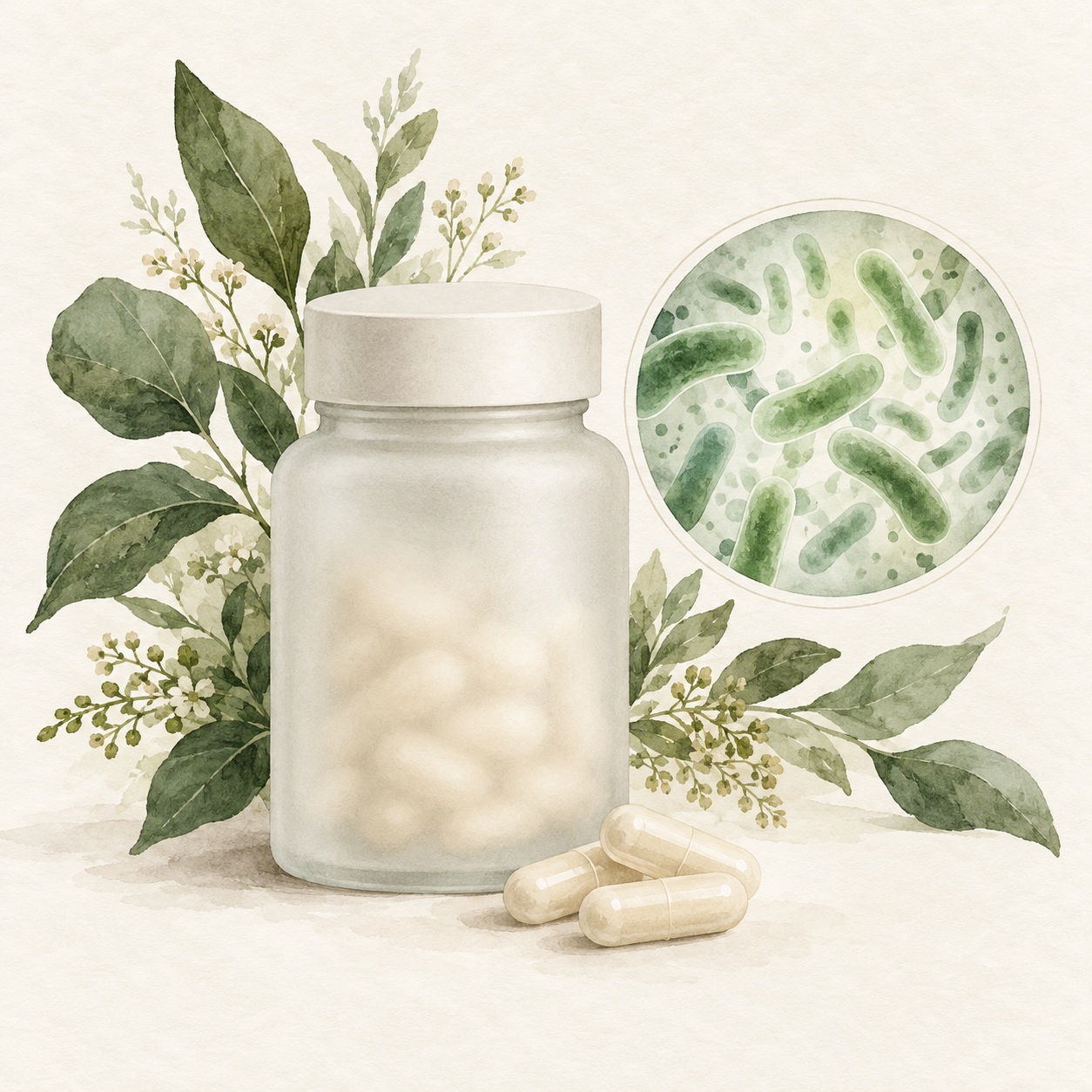
Bacillus subtilis is a spore-forming bacterium found in environmental and food-associated settings and studied in the human digestive tract. Its survival properties and interactions with other microbes make it an interesting probiotic research candidate.
What makes a spore-forming probiotic different?
Spores are a resistant, dormant form of the bacterium. Under suitable conditions they can germinate into active cells. This helps explain interest in delivering certain B. subtilis strains through the digestive tract. Survival, germination and permanent colonisation are different things: detecting an organism after ingestion does not establish lifelong residence or a lasting benefit.
Antimicrobial compounds and biofilms
Bacteriocins, surfactin and biofilm formation are strain-dependent research topics. Finding genes for antimicrobial compounds does not establish how much will be produced in a person or whether this improves a clinical outcome.
Examples of human research
A placebo-controlled study of B. subtilis BS50 found improvement in a combined score for bloating, burping and flatulence after six weeks. Another trial using a different strain did not show improvement over placebo in functional bloating. These findings reinforce the importance of matching the exact strain and outcome rather than treating all spore probiotics as equivalent.
A separate phase 2 trial of B. subtilis MB40 reduced Staphylococcus aureus colonisation in participants. This is a useful example of a targeted human result. It was not a demonstration that the probiotic treats an active staph infection, eradicates SIBO or prevents all infections.
SIBO and wider health claims
Intestinal permeability and endotoxin-related inflammatory pathways are areas of research. They do not establish that combinations of L. reuteri, L. gasseri and B. subtilis treat SIBO or neurological, autoimmune and cardiovascular diseases.
Improved bloating does not by itself confirm eradication of SIBO. Persistent symptoms need assessment, including consideration of other causes and an appropriate treatment plan.
Fermented preparations and product choice
B. coagulans and B. subtilis are different organisms. Easier growth in a fermented food does not prove greater clinical benefit. A mixed home culture cannot be assumed to reproduce the identity, purity or results of a tested capsule.
For a commercial product, look for the full strain identifier, viable count through expiry, storage requirements and documented quality testing. Do not use unidentified environmental Bacillus cultures for food or supplementation. People who are critically ill, immunocompromised or have an indwelling vascular catheter need specialist advice before using live probiotics.
References: BS50 gastrointestinal symptom trial · Functional bloating trial with a different strain · MB40 S. aureus decolonisation trial · NIH research summary · NCCIH: probiotic safety.
13 / Probiotics & fibres
Partially hydrolyzed guar gum (PHGG)
Some human evidence for digestive symptoms
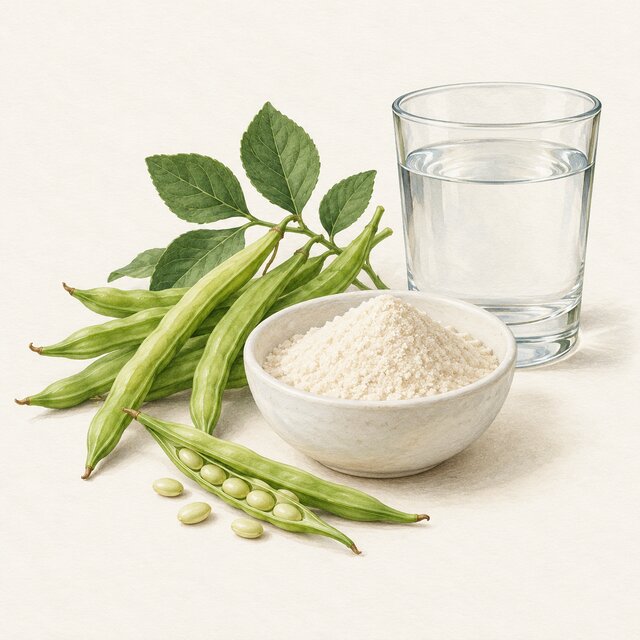
Partially hydrolyzed guar gum, or PHGG, is a soluble fibre processed to dissolve with much less thickening than ordinary guar gum. It is studied as a prebiotic substrate for gut microorganisms and for potential benefits to bowel function.
Feeding the microbiome
Prebiotics nourish microorganisms already present in the gut. Studies have reported changes in Bifidobacterium and several other bacterial groups involved in fermentation, rather than focusing only on organisms sold in probiotic capsules.
Microbiome changes depend on the starting community, diet and study conditions. More of one organism does not itself prove better health. Prebiotics and probiotics have different roles and are not universally interchangeable.
Short-chain fatty acids
Microbial fibre fermentation produces acetate, propionate and butyrate, collectively called short-chain fatty acids. These participate in cross-feeding and influence the gut environment.
It also discusses experimental findings involving intestinal signalling, pH and metabolic pathways. Laboratory fermentation results are not a guarantee of the same response in a person, and bacterial names or metabolite ratios should not become targets for self-diagnosis.
Bowel regularity, bloating and stool consistency
A 12-week randomised placebo-controlled trial in people with IBS tested 6 g of PHGG daily and found improvements in bloating and gas scores. This does not establish a cure for IBS or improvement in every symptom.
Studies have examined constipation and loose stools, including constipation in autistic children. Improved bowel movements are a digestive outcome, not treatment of autism. Discuss children’s fibre choices with their clinician.
PHGG alongside rifaximin in SIBO research
A randomised study compared rifaximin alone with rifaximin plus PHGG in people with a positive glucose breath test and risk factors for small intestinal bacterial overgrowth (SIBO). The combination group had a higher reported eradication rate.
This supports interest in PHGG as an adjunct in that study setting. It does not mean rifaximin never works alone, that PHGG treats SIBO by itself, or that readers should combine fibre and antibiotics without a treatment plan.
Metabolic research
Research on fermentation metabolites explores glucose, insulin, lipid markers and appetite signalling. Findings from different interventions should not all be treated as established effects of an ordinary PHGG serving.
A connection with GLP-1 signalling does not make fibre equivalent to a GLP-1 medicine or establish treatment of type 1 diabetes. Start with an amount appropriate to tolerance and the intended use.
Choosing and introducing a product
Look for the full name partially hydrolyzed guar gum and the grams of actual fibre per serving. Ordinary guar gum and psyllium husk have different physical properties and are not interchangeable in mixing or dosing.
Follow the product’s mixing and fluid instructions. Introduce changes gradually according to tolerance and avoid adding several new fibres or probiotics simultaneously. Gas, discomfort or stool changes can occur; persistent worsening is not something you need to endure to prove that the product is working.
Ongoing pain, unexplained weight loss or blood in the stool warrants medical assessment.
References: Niv et al. (2016): PHGG versus placebo in IBS; Furnari et al. (2010): rifaximin with or without PHGG in SIBO; 2019 randomised trial of PHGG, stool characteristics and microbiota.
14 / Probiotics & fibres
Psyllium husk
Established constipation use; LDL evidence
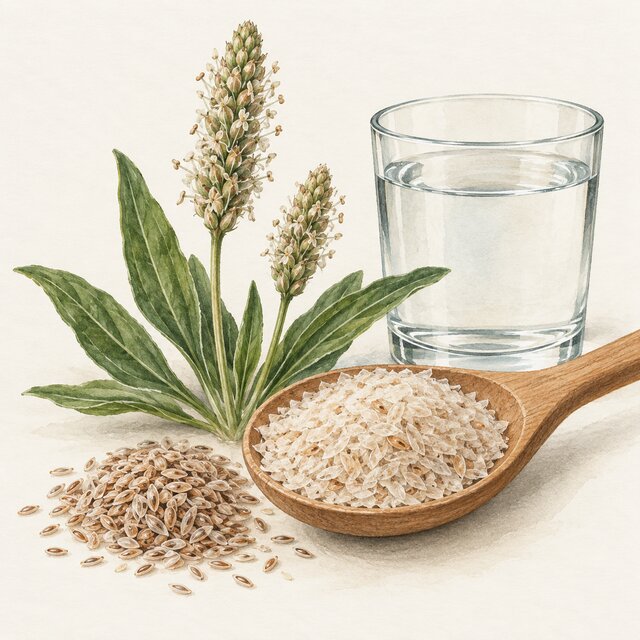
Psyllium is a soluble, gel-forming fibre. It absorbs water and increases stool bulk, which can help with constipation.
What the evidence supports
Randomized trials also support modest LDL-cholesterol reductions in some people. This is an addition to an appropriate eating pattern and care plan, not a reason to stop prescribed lipid treatment.
What to check first
Never swallow dry powder. Mix and take it with the full fluid amount specified on the label; MedlinePlus describes at least 240 mL with a dose. Swallowing difficulty or suspected intestinal blockage requires medical advice before use. Check medicine timing with a pharmacist. Persistent constipation or rectal bleeding needs assessment.
Read the label
Compare grams of psyllium or fibre per serving, not capsule count. Look for added sugar or other laxatives. PHGG and psyllium have different properties; choose for a defined purpose and tolerance rather than assuming all fibre powders behave alike.
Sources: MedlinePlus: Psyllium · Davidson et al. (1998): randomized 24-week psyllium study
Group 04
Plant & food-derived compounds
Foods and plants contain many compounds beyond the familiar vitamins and minerals. Here you will find olive leaf extract and oleuropein, apigenin, and spermidine. These are distinct ingredients, not interchangeable versions of the same supplement.
A concentrated extract should be assessed separately from the food or plant associated with it. “Natural” does not establish effectiveness or safety. As you read, distinguish studies in people from laboratory findings, and check whether the tested preparation matches the product being discussed.
Further reading: NCCIH: Using Dietary Supplements Wisely. Specific research is linked beneath each ingredient.
15 / Plant & food-derived compounds
Olive leaf extract & oleuropein
Oleuropein & cellular recycling
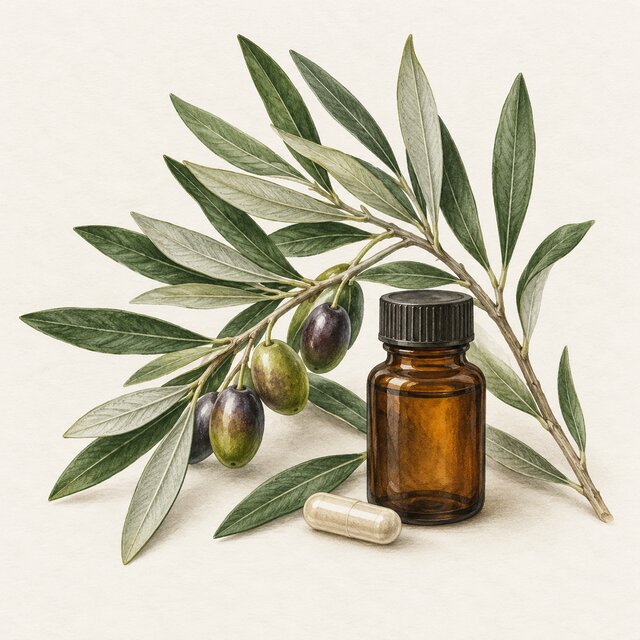
The olive tree links everyday food with research into plant compounds. Olive oil, leaf extracts and oleuropein are studied in relation to cardiovascular and metabolic health, oxidative stress and cellular recycling.
Benefits of olives
Table olives supply fats and plant compounds as part of a meal. They are different from olive oil and concentrated extracts, and findings about one preparation cannot automatically be applied to another.
Whole olives, extra virgin olive oil and olive leaf extract each have a different place in this guide: the fruit as food, the oil as a culinary ingredient, and the leaf as a source for concentrated preparations.
Olive oil health benefits
Extra virgin olive oil supplies monounsaturated fats and smaller amounts of bioactive compounds. Research explores these compounds in oxidative stress, inflammation and vascular function.
His discussion centres on five compounds. The points below summarise the research themes presented in the podcast, rather than guaranteed outcomes from consuming olive oil:
- Hydroxytyrosol: studied for antioxidant activity, LDL oxidation and potential vascular, cognitive and skin effects.
- Oleocanthal: discussed in relation to inflammatory signalling and laboratory research on tau aggregation and cancer cells.
- Oleuropein: highlighted especially in connection with leaf extracts, blood pressure and cardiometabolic markers.
- Maslinic acid: an olive-derived triterpene discussed for muscle preservation, metabolic health and healthy-ageing research.
- Tyrosol: discussed alongside sirtuin and mitochondrial signalling as part of the broader interest in cellular maintenance.
Research also explores connections with the gut microbiome, including Akkermansia and bifidobacteria. His overall theme is that olive-derived compounds may have complementary effects, with the exact preparation and amount influencing what is being studied.
Laboratory findings on cancer cells and disease-related proteins are research leads, not evidence that olive oil or its extracts treat cancer or prevent Alzheimer’s disease. Comparisons between oleocanthal and ibuprofen describe aspects of their biology, not an interchangeable treatment or dose.
Benefits of olive leaf extract
Standardised olive leaf extract provides a specified amount of oleuropein. Research interests include blood pressure, lipids, glucose metabolism and inflammatory markers, alongside experimental work on nutrient-sensing pathways.
One human study discussed in the podcast compared a particular olive leaf extract with captopril in people with stage-1 hypertension. Over eight weeks, the two study regimens produced similar blood-pressure reductions. This finding concerns that extract, population and trial; it is not an instruction to replace prescribed blood-pressure medicine.
Another randomised crossover trial in 60 men with prehypertension examined a preparation providing 136 mg oleuropein and 6 mg hydroxytyrosol daily. It reported reductions in blood pressure and several lipid measures relative to control. These are study details, not a personal dosing recommendation.
Oleuropein and autophagy
Autophagy is a cellular recycling process through which cells break down and reuse components. Oleuropein is being investigated for effects on related pathways, primarily in experimental settings.
His explanation centres on two signalling systems: mTOR, which responds to growth and nutrient signals, and AMPK, which helps cells respond to energy status. Experimental findings motivate research into cellular maintenance, rather than establishing a human anti-ageing treatment.
Metabolic context
Fasting-related signalling, insulin, sirtuins and cellular energy sensing are interconnected research themes. Mechanistic findings do not establish a specific fasting or low-carbohydrate routine for taking olive leaf extract.
Research context: studies of oleuropein and oleuropein aglycone have examined autophagy-related signalling in cells and mice. These are mechanistic findings, rather than an established human dosing or meal-timing protocol for increasing autophagy or extending lifespan.
Choosing olive oil and leaf extracts
For olive oil, consider extra virgin products with light-protective packaging and clear origin information. For extracts, check standardisation and the actual amount of the named compound per serving.
Look for both the amount of leaf extract and its stated oleuropein content per serving. A percentage describes concentration; the serving size determines the corresponding amount. For example, 750 mg of extract standardised to 20% oleuropein corresponds to 150 mg oleuropein. This is a label-reading calculation, not a suggested dose. Clear ingredient identification and transparent product testing are more useful than a large percentage presented without context.
What to check first
Potential additive effects with blood-pressure or glucose-lowering medicines deserve a pharmacist’s review; the clinical importance of these interactions remains uncertain. Do not replace prescribed treatment.
References: Susalit et al. (2011): olive leaf extract and captopril trial · Lockyer et al. (2017): blood pressure and lipid markers. Research context: Oleuropein aglycone and the AMPK/mTOR pathway · Oleuropein and AMPK-dependent autophagy in mice. Safety reference: Memorial Sloan Kettering: Olive Leaf.
16 / Plant & food-derived compounds
Apigenin
Preliminary evidence for isolated supplements
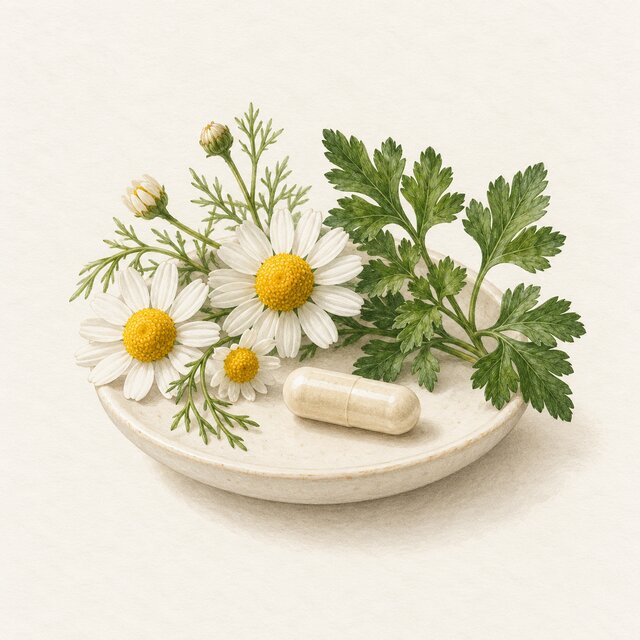
Apigenin is a plant flavonoid found in parsley and chamomile. Research explores cellular senescence, inflammatory signalling and NAD metabolism, with much of this work conducted in cells and animals.
Senescence: a change in cell behaviour
Senescent cells have entered a state of stable growth arrest, often in response to stress or damage. They are not specially created “clone” cells. Some release a mixture of signalling molecules known as the senescence-associated secretory phenotype (SASP), which can affect nearby tissue.
An important distinction is that a senolytic aims to eliminate senescent cells, whereas a senomorphic modifies aspects of their behaviour, such as inflammatory secretion. Neither label alone establishes a clinical benefit.
The 66-compound study
A 2025 study in Advanced Science screened 66 natural compounds and identified apigenin’s senomorphic activity in its experimental system. Researchers linked this effect to PRDX6 and its phospholipase activity, with reduced downstream SASP signalling.
The study also examined mice exposed to irradiation as a model of accelerated damage. Reported improvements included fur pigmentation, aspects of lung and spleen pathology, and physical performance. These findings concern experimentally treated mice; they are not evidence that parsley or apigenin capsules reverse grey hair or ageing in people.
A promising result in a laboratory screen does not establish the best human longevity supplement.
Apigenin, CD38 and NAD
CD38 is an enzyme involved in consuming NAD, a molecule important in metabolism. A study published in Diabetes reported that apigenin inhibited CD38 and altered NAD-related processes in experimental models. This provides a mechanistic reason for further research, rather than proof of longer life or increased everyday energy in humans.
Combining apigenin with NAD precursors such as NMN or NR has not been established as a beneficial or safe routine for everyone.
Parsley, extracts and capsules
Parsley can be used as an ordinary culinary ingredient. Its apigenin content varies with the plant, preparation and measurement method, so a spoonful should not be treated as a precise capsule-equivalent dose.
There is no established supplemental dose or timing for human longevity benefits. Foods, chamomile extracts and isolated apigenin are different preparations whose findings are not interchangeable.
Sleep and concentrated-use questions
Apigenin is also discussed in relation to sleep, although studies of multi-component chamomile preparations do not establish the effects of isolated apigenin. Long-term supplement safety and interactions remain insufficiently characterised to describe concentrated use as risk-free.
Read the actual apigenin amount, rather than just the weight of a plant extract. Review combined use with medicines or other sleep products with a pharmacist.
Related cellular-recycling research
Related research interests include spermidine and autophagy. These involve distinct mechanisms, and combining them is not an established anti-ageing protocol.
References: Zhang et al. (2025): apigenin, senescence and mouse models; Escande et al. (2013): apigenin and CD38. Sleep context: 2024 review of apigenin, sleep and ageing.
17 / Plant & food-derived compounds
Spermidine
Human benefit remains uncertain
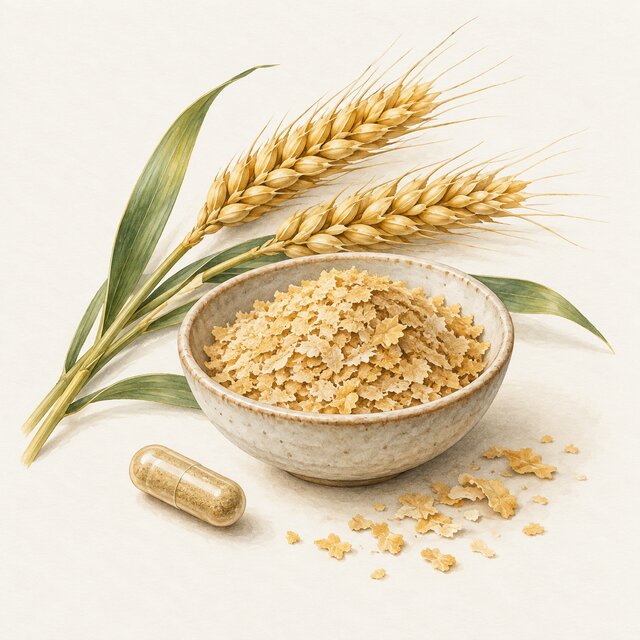
Spermidine is a polyamine found in the body and in foods. Interest in supplementation is often linked to autophagy, a normal cellular recycling process.
What the evidence supports
A plausible mechanism is not evidence of a longer human life. In the 12-month SmartAge randomized trial, a spermidine-rich wheat-germ extract did not improve the primary memory outcome versus placebo in older adults with subjective cognitive decline. That result does not settle every possible formulation or outcome, but it limits confident claims.
Autophagy and mitophagy
Autophagy is cellular recycling; mitophagy is the selective removal of mitochondria. Their relationship to inflammatory signals from senescent cells provides a research rationale, not evidence that combining supplements reverses ageing.
What the fasting research investigated
A 2024 Nature Cell Biology study found that blocking the body’s own spermidine synthesis reduced fasting-induced autophagy in experimental systems including yeast, nematodes and human cells. The work also explored fasting-associated changes across species, including humans. Lifespan findings in model organisms do not establish that supplements extend human lifespan.
This distinction matters: an endogenous pathway being important during fasting does not show that everyone needs an additional capsule to obtain fasting-related effects.
Timing and combinations
There is no validated universal longevity dose or timing protocol for spermidine. Mechanistic work alone cannot establish that taking it while fasting is superior in humans.
Spermine and spermidine are different polyamines. The fasting study discussed here concerns spermidine; product labels should identify the actual ingredient.
See apigenin for the companion discussion of senescence and NAD metabolism.
What to check first
Long-term benefit and safety in broad populations are not established. Avoid treating “longevity” as a measurable benefit already demonstrated by a capsule.
Read the label
Distinguish milligrams of extract from milligrams of spermidine. Check the source and allergen information, particularly for wheat-derived preparations. A standardized ingredient is easier to compare, but standardization alone does not prove efficacy.
References: Hofer et al. (2024): spermidine, fasting and autophagy. Human trial: Schwarz et al. (2022): SmartAge randomized clinical trial
Group 05
Microalgae & cyanobacteria
This section groups spirulina and chlorella, two ingredients commonly sold as green powders or tablets. Their individual profiles explain what each product contains, how they differ, and what the evidence can and cannot tell us.
Start with identity and quality rather than colour or a “superfood” label. For blue-green algae products, contamination with microcystins is a recognised quality concern. Look for clear species information and relevant batch testing, and evaluate nutritional and health claims separately.
Further reading: FDA: Blue-Green Algae Products and Microcystins. See the profiles below for ingredient-specific sources.
18 / Microalgae & cyanobacteria
Spirulina
Early, outcome-specific human evidence
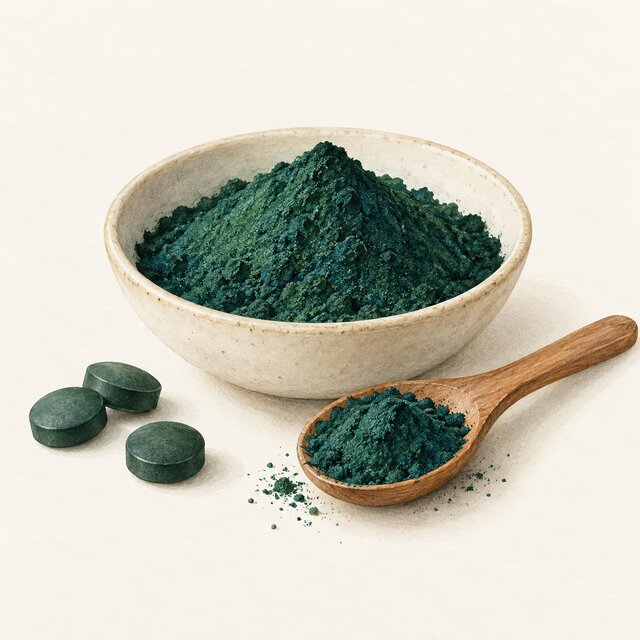
Spirulina is sold alongside microalgae, although it is technically a cyanobacterium, often labelled Arthrospira or Limnospira. It is different from chlorella and from concentrated algae-derived EPA/DHA oils.
What the evidence supports
Small, short trials have reported improvements in blood pressure or some blood-fat markers in selected groups. An eight-week randomized trial of a spirulina-containing dressing in people with hypertension provides one example. These findings do not establish prevention of heart attacks or a general “detox” benefit. Continue prescribed treatment.
What to check first
Spirulina is not a reliable vitamin B12 source: much of the apparent B12 is an inactive analogue. ANSES advises against its use in phenylketonuria or with an allergic predisposition. Products can be contaminated by cyanotoxins, microbes or metals; this does not mean every product is contaminated.
Read the label
Check the species and grams per serving. Prefer a traceable producer with recent, batch-matched independent results for microcystins, relevant heavy metals and microbiological quality. “Organic” alone does not demonstrate that these contaminants were tested. A quality certificate cannot prove a health benefit.
Sources: 2021 randomized trial: spirulina dressing and hypertension · ANSES: spirulina safety assessment and B12 limitations · FDA: blue-green algae and microcystins
19 / Microalgae & cyanobacteria
Chlorella
Limited, product-specific human evidence
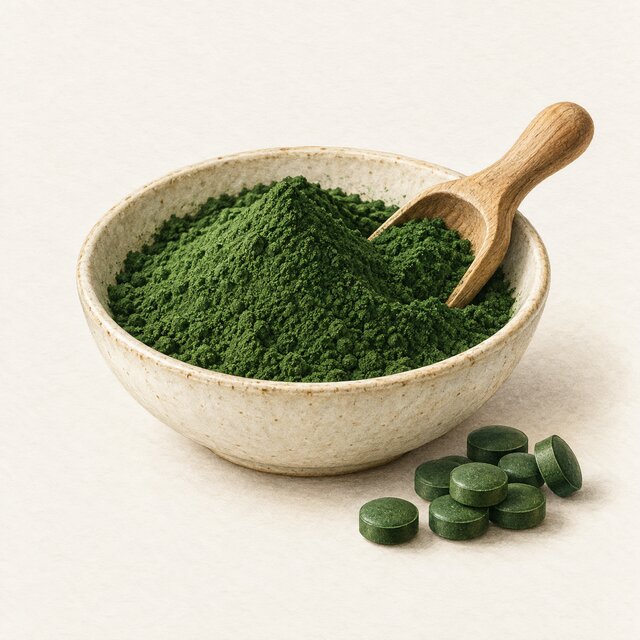
Chlorella is a green microalga used in powders and tablets. Species, cultivation and processing affect the product; it should not be treated as interchangeable with spirulina.
What the evidence supports
A four-week placebo-controlled trial in adults with mildly elevated cholesterol reported improvements in some lipid markers. It did not test whether chlorella prevents heart attacks or extends life. A short-term laboratory change does not establish that a supplement is needed, and this research does not substantiate broad heavy-metal “detox” claims.
What to check first
Chlorella can contain substantial vitamin K, which may reduce warfarin’s anticoagulant effect. A published case report describes this interaction. If you take warfarin, discuss starting or stopping chlorella with your anticoagulation team rather than changing it on your own. Review other medicines and existing conditions with a pharmacist.
Read the label
Look for the species, grams per serving and a traceable batch with independent contaminant testing. “Broken cell wall” describes processing; it does not establish a clinical benefit. Do not assume the nutrient composition of one brand applies to another, or use a general algae powder as an automatic replacement for a prescribed nutrient supplement.
Sources: Ryu et al. (2014): chlorella and lipid markers, randomized trial · Ohkawa et al. (1995): warfarin–chlorella case report · NIH LactMed: Chlorella
Group 06
Mushrooms & other supplements
Mushroom preparations, shilajit and N-acetylcysteine (NAC) do not fit neatly into the preceding groups. They appear together here for navigation; they are not a combined regimen or a shared class of treatment.
Read each one on its own terms. The profiles examine the exact ingredient or preparation, human evidence, label details and relevant precautions. An interesting biological mechanism is not, by itself, proof of a meaningful benefit from taking a product.
Further reading: NCCIH: Using Dietary Supplements Wisely. Research references accompany each profile.
20 / Mushrooms & other supplements
Medicinal mushrooms
Species- and extract-specific; often preliminary
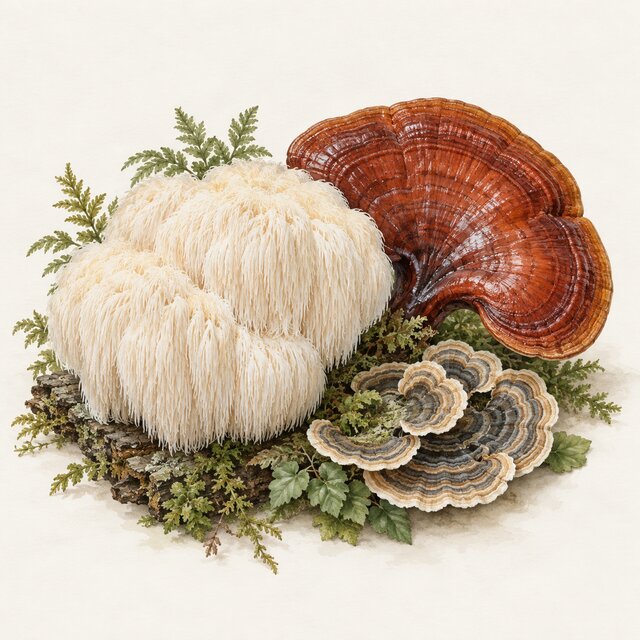
Medicinal mushrooms combine a long history of traditional use with growing research into immunity, cognition and physical performance. The seven varieties below have different profiles. Species and preparation matter more than the general label “mushroom supplement.”
Why mushrooms attract scientific interest
Mushrooms contain beta-glucans, a family of polysaccharides studied for their interactions with immune cells. Other constituents include triterpenes, particularly in reishi, and compounds investigated for antioxidant activity. “Immunomodulation” describes effects on immune pathways; it does not mean a supplement automatically detects infections, corrects autoimmune disease or adjusts every person’s immunity to the ideal level.
Reishi — stress, rest and traditional longevity use
Reishi (Ganoderma species, commonly labelled G. lucidum) is associated with longevity in East Asian traditions. Its triterpenes and polysaccharides are studied in stress-related and immune pathways. Animal findings do not establish treatment of human anxiety or insomnia, or extension of lifespan.
Lion’s mane — memory and nerve-signalling research
Lion’s mane (Hericium erinaceus) is an edible mushroom investigated for cognitive health. Compounds such as hericenones and erinacines are studied in relation to nerve growth factor pathways; the mushroom is not a dose of human nerve growth factor. A small placebo-controlled trial in adults with mild cognitive impairment reported improved cognitive scores during supplementation. This is encouraging early evidence, rather than proof of brain regeneration, dementia prevention or a reliable memory boost for everyone. It does not establish a replacement for ADHD medication or treatment for stroke or autism.
Cordyceps — energy and exercise performance
Cordyceps militaris and preparations associated with Ophiocordyceps sinensis feature in research on exercise tolerance and oxygen use. A small trial of a C. militaris-containing mushroom blend reported promising performance findings, but cannot establish the effects of every cordyceps product. Evidence for treating persistent fatigue or hormonal disorders remains insufficient.
Chaga — antioxidant research
Chaga (Inonotus obliquus) has a history of use as a tea and extract. Laboratory and animal studies explore antioxidant and inflammatory pathways, but do not establish cancer-treatment benefits in people. High, prolonged intake has been associated with oxalate-related kidney injury.
Turkey tail — immune research and specific oncology preparations
Turkey tail (Trametes versicolor) is studied for polysaccharide preparations including PSK and PSP. PSK has been used in Japan alongside standard cancer treatment, and some trials have examined survival and immune outcomes. This is research on particular preparations and treatment settings; an ordinary turkey-tail powder or multi-mushroom blend is not equivalent. Anyone considering a mushroom product during cancer care should have the oncology team review it.
Maitake — food, beta-glucans and metabolic research
Maitake (Grifola frondosa), also known as hen of the woods, is a culinary mushroom containing beta-glucans. Experimental metabolic and immune findings do not establish that a supplement treats diabetes or cardiovascular disease. Cooked maitake can be enjoyed as food.
Shiitake — an everyday culinary option
Shiitake (Lentinula edodes) offers a practical way to include mushrooms in meals. Shiitake supplements are not established treatments for Lyme disease, influenza or persistent viral symptoms. Cooked shiitake works well in soups, vegetable dishes and stir-fries.
Mushrooms and healthy ageing
Observational research has linked mushroom consumption with lower mortality in some analyses. Such studies examine dietary habits, and other lifestyle differences may contribute to the association. They do not show that reishi, chaga or a mushroom blend adds a set number of years to life. Including edible mushrooms alongside vegetables, legumes and other varied foods is a different proposition from taking concentrated extracts.
Choosing a preparation
Check the Latin species, the amount of each ingredient, and whether the product uses fruiting body, mycelium or both. Look for an explanation of extraction and testing for identity, contaminants and relevant constituents such as beta-glucans. A large “polysaccharide” percentage or a list of ten mushrooms does not, by itself, demonstrate effectiveness. Powders, teas and extracts can differ substantially, so there is no single evidence-based dose for this whole category.
What to check before supplementing
Possible problems include allergy and digestive upset. Reishi may increase bleeding risk and has reported liver-injury concerns; chaga requires particular caution with kidney disease. Review concentrated products with a clinician if you use anticoagulants, immunosuppressants or cancer treatments. Mushroom extracts should not replace prescribed treatment for infections, autoimmune conditions or cancer.
Psychoactive mushrooms belong to a separate clinical and safety discussion and are not interchangeable with the non-psychoactive foods and supplements described here.
References: National Cancer Institute: Medicinal Mushrooms (PDQ) · Mori et al.: lion’s mane cognitive trial · Hirsch et al.: cordyceps-containing blend and exercise · Ba et al.: mushroom consumption and mortality · MSK: reishi · MSK: chaga.
21 / Mushrooms & other supplements
Shilajit
Limited product-specific human evidence
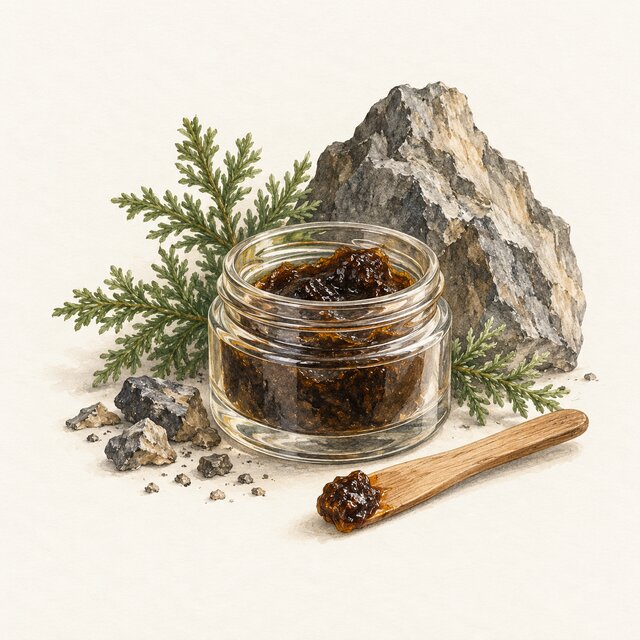
Shilajit is a dark, resin-like mineral–organic material associated with mountain regions and Ayurvedic traditions. Interest centres on its traditional use, complex composition and emerging human research.
Traditional vitality: ojas and jing
Shilajit has been used as a traditional tonic. The Ayurvedic concept of ojas and the Taoist concept of jing are ways of talking about vitality and reserves. These are traditional frameworks, rather than measurements of kidney or adrenal function.
Traditional use includes resilience and combination with herbs. Historical reputation is distinct from evidence of clinical benefit.
Fulvic acid and a complex composition
Shilajit contains fulvic and humic substances, mineral constituents and other organic compounds. Composition varies between sources and preparations.
A location name or a high fulvic-acid percentage cannot establish identity, purity or effectiveness. Claims about removing stored toxins or carrying nutrients into tissues are not established consumer outcomes.
Human research: testosterone and sperm parameters
A randomised, double-blind, placebo-controlled study in healthy men aged 45–55 tested a particular purified preparation at 250 mg twice daily for 90 days. It reported increases in total and free testosterone and DHEAS compared with placebo. This is a finding about hormone measurements in that study population; it does not establish improved sexual performance or a benefit for everyone.
A separate study enrolled 35 men with low sperm counts and used processed shilajit at 100 mg twice daily for 90 days. Twenty-eight completed treatment, and improvements in several semen parameters were reported relative to baseline. This was a different study and dose, without a placebo comparison; semen changes do not establish improved pregnancy or live-birth rates.
These amounts describe research protocols, not a personal dosing recommendation. Results from a specific processed preparation cannot automatically be transferred to an unrelated resin or powder.
Energy, stress and the gut
Animal and mechanistic studies explore mitochondrial function, stress-related pathways and neurotransmitter signalling. They do not establish treatment of chronic fatigue, anxiety or SIBO.
Evidence does not establish a role in treating addiction or withdrawal. Shilajit should not be used to manage alcohol or opioid withdrawal or replace addiction care; alcohol withdrawal in particular can require urgent medical treatment.
Purification and product quality
Purification and product quality are important. Avoid raw or unverified material. FDA warnings document heavy-metal poisoning with certain Ayurvedic products; this does not mean every shilajit product is contaminated.
For a product worth considering, request a recent independent laboratory report matching its batch. Look for identity testing and results for relevant contaminants, including lead, arsenic, cadmium and mercury, plus microbial and mycotoxin testing where appropriate. “Purified,” “natural” and “Himalayan” are not substitutes for results.
Compare the actual amount per serving and the preparation used, alongside any declared standardisation and testing method. A certificate supports quality assessment; it does not prove a health benefit or establish long-term safety.
References: Pandit et al.: purified shilajit and testosterone; Biswas et al.: processed shilajit in oligospermia. Quality context: FDA: heavy metals in certain Ayurvedic products.
22 / Mushrooms & other supplements
N-acetylcysteine (NAC)
Medical uses established; wellness claims uncertain
N-acetylcysteine, usually shortened to NAC, is a derivative of the sulfur-containing amino acid cysteine. Its connection with glutathione and mucus-thinning action underpin both established medical uses and ongoing research.
Cysteine and glutathione
NAC supplies cysteine, a building block for glutathione. Glutathione participates in antioxidant defence and processing reactive substances. This does not mean everyone needs NAC or that daily supplementation slows ageing.
Cysteine is also obtained through dietary protein. NAC is not an essential nutrient with a standard daily requirement, and it does not replace sufficient protein or a varied diet.
Two established medical applications
Acetaminophen/paracetamol poisoning: acetylcysteine is used medically to limit liver injury after an overdose, with treatment route and regimen selected by clinicians. Suspected overdose requires urgent medical assessment, even before symptoms appear; an over-the-counter capsule is not a substitute for emergency treatment.
Mucus thinning: acetylcysteine can break disulfide bonds in mucus, making it less viscous. Medical formulations are used in specific respiratory situations. This action is different from killing viruses or proving that a daily supplement prevents colds.
Other research areas
- Respiratory health: Potential benefits for chronic mucus and respiratory conditions depend on the condition, formulation and study. Individual reports do not establish protection against reinfection.
- Gut inflammation: Inflammatory bowel disease is a research area; NAC is not a replacement for prescribed treatment.
- Fertility: Research includes PCOS and semen parameters such as motility and morphology. Laboratory changes do not guarantee conception.
- Ageing, cognition and exercise: Findings on memory and recovery from a particular study or combination product cannot automatically be applied to NAC alone or to every healthy adult.
- Diet and surgery: low protein intake and nutrition after gastrointestinal surgery are discussed. These situations call for a broader nutritional assessment, rather than assuming NAC alone will correct a deficiency.
Alcohol, metals and “detox” claims
Alcohol, chemicals, mould and metals involve different exposures. Glutathione support is not a proven general detoxification protocol.
A randomised placebo-controlled study published in 2024 found no significant improvement in hangover severity with its NAC regimen. NAC should not be presented as protection that makes heavy drinking safe. Suspected metal or chemical poisoning requires assessment specific to the exposure.
Clinical opinion and individual experience
NAC is not an established treatment for the underlying causes of autoimmune disease or gluten sensitivity and does not make gluten exposure safe in coeliac disease.
What to check before using it
Oral NAC can cause gastrointestinal symptoms and intensify headache or low blood pressure with nitroglycerin. Inhaled acetylcysteine can provoke bronchospasm; asthma treatment needs clinical guidance. Discuss antioxidant supplements with the oncology team during cancer treatment.
Check the amount per serving, added ingredients and intended route. Oral supplements must not be inhaled or injected. A medical dose should not be copied into a daily wellness routine.
References: Memorial Sloan Kettering: NAC; DailyMed: acetylcysteine solution prescribing information; 2024 randomised NAC and hangover study.
Before you buy
- Write the purpose. What would count as a useful change, and when will you review it?
- Compare actual quantities. Elemental minerals, EPA/DHA, strain identifiers and standardized ingredients matter more than a large headline number.
- Look for overlap. Eye-health formulas, multivitamins and sleep blends can repeat ingredients you take separately.
- Ask what a test proves. Independent identity and contaminant testing provides quality information. It does not establish that a product improves health.
- Make a change you can evaluate. Adding many products together makes benefits and adverse effects harder to attribute.
Pregnancy, breastfeeding, childhood, planned surgery, kidney or liver disease, immune suppression and regular medication use call for individual advice before adding supplements.
Common questions
Should I take all of these?
No. This directory covers different ingredients for different questions. A useful decision can be to take nothing additional.
Does a higher percentage mean a better supplement?
It describes concentration, not a guaranteed outcome. Compare the amount per serving, the studied formulation and the purpose. A quality result and a clinical benefit are different claims.
Will you recommend products here?
Product comparisons may be added after quality, evidence and suitability checks. This guide currently contains no affiliate shopping links. Any future affiliate link will be identified near the recommendation, alongside the limitations that matter to the decision.
Keep the foundation in view.
Supplement decisions belong alongside meals, movement and recovery.